


Waconia Dodge Chrysler Jeep Ram
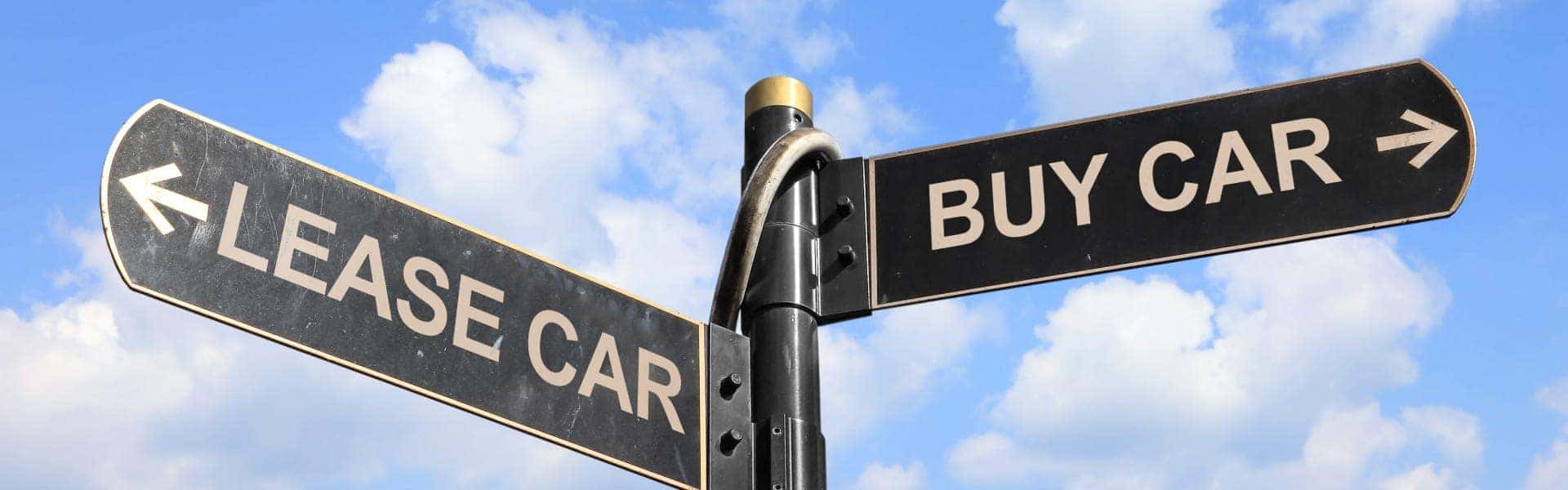
You’ve narrowed it down to a new Chrysler, Dodge, Jeep, or Ram. Now comes the harder question: lease it or buy it? Both paths put the same vehicle in your driveway. They just get you there through different numbers, different terms, and different trade-offs down the road.
Leasing a car typically means a lower monthly payment and a new vehicle every few years, while buying means no mileage limits and full ownership once the loan is paid off. Neither is universally better. The right call depends on your mileage, your budget, and how long you plan to keep the vehicle.
Our finance team at Waconia Dodge Chrysler Jeep Ram walks west metro drivers through this same decision every week, across all four brands on our lot. Here’s how leasing and buying actually compare, starting with a quick side-by-side, then a closer look at each path.
Before getting into the details, here’s the short version of how the two options stack up across the factors that matter most.
| Category | Leasing | Buying |
|---|---|---|
| Monthly Payment | Typically lower, since you pay for depreciation, not the full price | Typically higher, since you’re financing the full purchase price |
| Mileage | Annual limit, often 10,000 to 15,000 miles, with overage fees | No mileage limit |
| Customization | Must return the vehicle close to original condition | Free to modify as you like |
| Maintenance | Stays under factory warranty for nearly the full term | Warranty coverage ends, then repairs become your responsibility |
| End of Term | Return the vehicle, lease a new one, or buy it out | Loan ends, vehicle is fully yours with no more payments |
| Equity | No ownership stake built over the term | Builds equity toward a future purchase or trade |
These figures are general industry ranges, not a quote for a specific vehicle or lease. Contact our finance team to review current terms on the model you’re considering.
A car lease is a contract that lets you drive a vehicle for a set term, usually 24 to 39 months, for a monthly payment, without ever owning it outright. Your payment covers the vehicle’s depreciation over the term plus a finance charge, rather than the full purchase price, which is why lease payments typically run lower than a loan payment on the same vehicle.
That lower payment comes with a built-in upgrade cycle. Most lease terms end well before a typical ownership period would, so you’re driving a newer Jeep, Ram, Dodge, or Chrysler with the latest safety tech more often than a typical owner would. Your vehicle also stays under factory warranty for nearly the entire lease, so unexpected repair bills are less likely to land on you.
The trade-off is a mileage limit, commonly in the 10,000 to 15,000 mile range per year depending on your contract, with a per-mile fee if you go over. You’ll also need to return the vehicle close to its original condition at lease-end, which matters if you’re the type to modify a Wrangler or haul gear in a Ram bed. Leasing works best for drivers who stay within a predictable mileage range and like a new vehicle every few years.
Financing, or buying, is a loan that lets you purchase the vehicle outright, with the vehicle serving as collateral until the loan is paid off. Once it’s paid off, the vehicle is yours: no mileage cap, no lease-end inspection, no limits on how you use or modify it.
Monthly payments run higher than a comparable lease, since you’re financing the full purchase price rather than just the depreciation. But every payment builds equity instead of renting it. Once the loan is paid off, you drive without a payment at all, and you can sell or trade the vehicle whenever you want. That long-term ownership is the main reason drivers who put on high mileage, whether from a daily commute or towing for work, tend to buy instead of lease.
Our finance department works with a full range of credit situations, from buyers with a clean history to those rebuilding credit, and you can apply for financing online to get the process started before you visit.
The right answer depends less on the brand badge and more on how you actually use the vehicle. A few common scenarios from our own showroom:
There’s no wrong choice here. It comes down to your mileage, your plans for the vehicle, and what you want your payment to look like a few years from now. Our team can run your specific numbers either way, on any of the four brands we sell.
Whichever way you lean, there’s probably a vehicle in your driveway that factors into the decision. If you’re currently leasing, that could mean equity to apply toward a new lease. If you own your vehicle, it likely means a trade-in.
Knowing what your current vehicle is worth first makes the lease-or-buy decision easier, since it changes the real monthly cost either way. Value your trade online in a few minutes and bring that number into the conversation, whether you end up leasing or buying.
Every driver weighing a lease against a loan runs into the same handful of questions before they decide. Here are direct answers to the ones we hear most from Chrysler, Dodge, Jeep, and Ram shoppers in the west metro.
The right choice depends on your mileage and how long you plan to keep the vehicle. Leasing suits drivers who stay within a set annual mileage and want a new vehicle every few years. Buying suits drivers who put on high mileage, customize their vehicle, or keep it well past a typical lease term.
Leasing typically costs less per month, since payments cover depreciation and a finance charge rather than the full purchase price. Buying costs more monthly but builds equity, so which option is cheaper overall usually depends on how many years you keep the vehicle.
Credit requirements for leasing and financing are generally similar, though exact thresholds vary by lender and vehicle. Our finance team works with lenders across a range of credit tiers for both paths, so a specific score is not a reason to rule out either option before talking with us.
Buying tends to fit vehicles that get modified or driven high mileage, like a Ram used for towing or a Wrangler headed for trail upgrades. Leasing tends to fit family vehicles like a Chrysler Pacifica, where predictable mileage and a new model every few years matter more than customization.
Waconia Dodge Chrysler Jeep Ram, located at 905 Strong Drive in Waconia, MN, offers both leasing and financing across all four brands. Our finance team serves drivers throughout Chaska, Chanhassen, Victoria, Eden Prairie, Shakopee, and the greater Twin Cities west metro.
Yes. Most lease contracts include a buyout price set from day one, so if you have grown attached to your leased Jeep, Ram, Dodge, or Chrysler, purchasing it outright at lease end is almost always on the table. Ask our finance team to confirm your specific buyout terms before you sign.
Start with your annual mileage, how long you want to keep the vehicle, and whether customization matters to you. Bring those answers to our finance team, and we will run real numbers for both leasing and financing so you can compare the actual monthly cost side by side before deciding.
Waconia Dodge Chrysler Jeep Ram is located at 905 Strong Drive in Waconia, MN, serving drivers throughout Chaska, Chanhassen, Victoria, Eden Prairie, Shakopee, and the greater Twin Cities west metro. Whether you’re comparing a Jeep lease to a Ram loan or trying to decide between a Chrysler and a Dodge, our finance team lays out real numbers for both paths, with no pressure either direction.
Browse our current new vehicle inventory, or contact our finance team to compare your lease and finance numbers side by side. Still working through the details? Our Car Leasing FAQs guide covers the specific terms, like money factor and residual value, in plain language.


